He also acknowledged the expansion of Microsoft Store to include more "traditional" desktop applications. If your existing Windows 10 PC is running Windows 10 20H1 or later and meets the minimum hardware specificationsit will be able to upgrade to Windows 11. The upgrade rollout plan is still being finalized, but for most devices already in use today, we expect it to be ready sometime in early 2022. Not all Windows 10 PCs that are eligible to upgrade will be offered to upgrade at the same time.

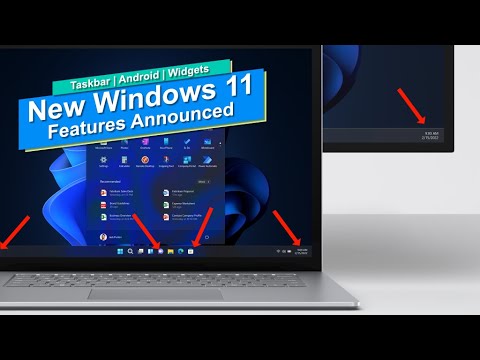
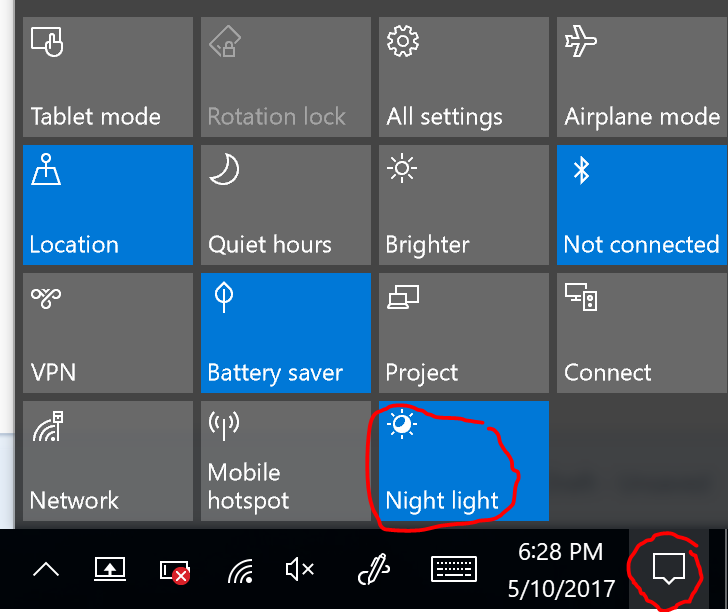
To see if your PC is eligible to upgrade, refer to our knowledge base for a list of tested systems. Once the upgrade rollout has started, you can check if it is ready for your device by going to Settings/Windows Updates. Similar to how end users are notified when updates are available in Windows 10, end users will see an indication in the notification areas of the taskbar in the bottom right, that the upgrade is available.
More information on how that is presented will be available at a later date. Additional desktop notification options may be also be added at a later date. Original equipment manufacturers can still ship computers without a TPM 2.0 coprocessor upon Microsoft's approval. Some third-party software may refuse to run on unsupported configurations of Windows 11. Run the program then follow the on-screen instructions to create your installation media and run the Windows 10 installation process. You'll also have to install Windows updates, reinstall your apps, and restore your backup files, so set aside a solid chunk of time before you update.

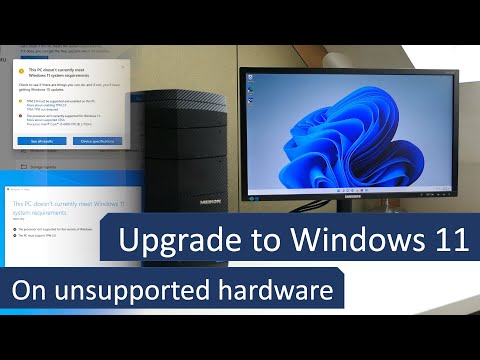
Windows 11 has higher technical requirements than Windows 10, is possible to install Windows 11 on devices that don't meet the minimum requirements. Upgrading unsupported hardware to Windows 11 will require you to install the update manually using an ISO. There is a different set of minimum minimum requirements your PC will have to meet including 4GB of RAM, 64GB of storage space, and two-core 64-bit 1 GHz processor. The new Windows OS takes cues from its smartphone relatives, simplifying basic settings changes and making them easy to access. One click or tap in the corner of your taskbar to pull up a control panel similar to Apple's Control Center, which lets you futz with settings like brightness and volume, connectivity, and more.
Windows apps now feature more aesthetically pleasing curved corners, and the Settings app has more options to change how you interact with the OS thanks to more accessibility features. New sounds and audio cues are available for blind users, and themes for people with light sensitivity or those working long hours have been updated to be easier on the eyes. As part of the minimum system requirements, Windows 11 only runs on devices with a Trusted Platform Module 2.0 security coprocessor.

According to Microsoft, the TPM 2.0 coprocessor is a "critical building block" for protection against firmware and hardware attacks. In addition, Microsoft now requires devices with Windows 11 to include virtualization-based security , hypervisor-protected code integrity , and Secure Boot built-in and enabled by default. The operating system also features hardware-enforced stack protection for supported Intel and AMD processors for protection against zero-day exploits. Microsoft Teams is similarly integrated with the taskbar, with a pop-up showing a list of recent conversations. Internet Explorer has been replaced by the Chromium-based Microsoft Edge as the default web browser, and Microsoft Teams is integrated into the Windows shell. Microsoft also announced plans to allow more flexibility in software that can be distributed via Microsoft Store, and to support Android apps on Windows 11 .

There are a few reasons why one might want to follow some or all of the steps in the article. First, you might want to stay in the insider track to test out other new features that aren't part of the UI such as the upcoming Android feature or the new Microsoft Store or DirectStorage. So, even if these features aren't present right now, you won't get them unless you are an insider so perhaps you're rolling with the changes to see how Windows 11 evolves. Third , maybe you like some but not all of the new UI.
Maybe you love the new snap and virtual desktop features, but hate the Start menu for example. Fourth, maybe you just like to hack things and see what's possible. You should find, however, that all of your data has been retained so you shouldn't have lost any important files. If you are having a brand new laptop or PC, then your system must be compatible with Windows 11 or even might come with it preinstalled. But issues may arise with the older versions of PCs, as its hardware might not match with the requirements of Windows 11. If your PC has a 7th gen or previous Intel CPU, then it is unsupported by the latest upgrade.
Still, you can migrate to Windows 11, but the way is a little more complicated as you will need to download install files, then perform a clean install and then restore the program and data files. In October 2019, Microsoft announced "Windows 10X", a future edition of Windows 10 designed exclusively for dual-touchscreen devices such as the then-upcoming Surface Neo. Legacy Windows applications would also be required to run in "containers" to ensure performance and power optimization. Microsoft stated that it planned to release Windows 10X devices by the end of 2020. It's not imperative that you upgrade your system to Windows in the next couple of weeks, or even months. For many people, that's about the time to upgrade to a newer device, one that will come with Windows 11 already installed.
Microsoft has started a months-long process of releasing Windows 11 to over a billion devices, but this doesn't mean Windows 10 won't be supported. The operating system isn't only set to receive a major feature update in the next few weeks, but it will continue to receive cumulative updates until at least 2025. The biggest change to Windows 11 is its more stringent hardware requirements. If your PC is recent, say, within the past five years, you should be alright, but older devices may be stuck with Windows 10 for the foreseeable future. That's not to say the company won't be providing security updates to Windows 10, but that's about as much as you can hope for.
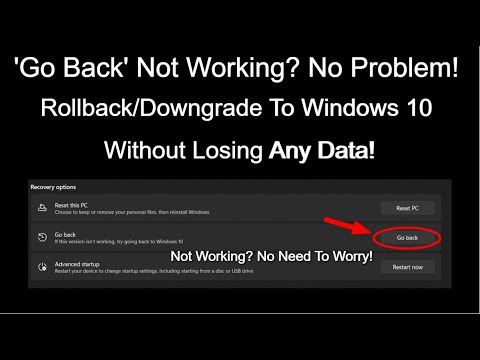
Since the controversial hardware decision—implemented for both performance and security reasons—Microsoft added Windows 11 support for some older computers, but the company still recommends against it. Reverting back to Windows 10 from the Windows 11 settings is the quickest and easiest option, as it leaves your personal files intact. If your existing Windows 10 PC is running the most current version of Windows 10 and meets the minimum hardware specifications it will be able to upgrade to Windows 11. Not all Windows 10 PCs that are eligible to upgrade to Windows 11 will be offered to upgrade at the same time. At least 16GB of RAM The basic system requirements of Windows 11 differ significantly from Windows 10.
Windows 11 only supports 64-bit systems such as those using an x86-64 or ARM64 processor; IA-32 processors are no longer supported. Thus, Windows 11 is the first consumer version of Windows not to support 32-bit processors . The minimum RAM and storage requirements were also increased; Windows 11 now requires at least 4GB of RAM and 64GB of storage. S mode is only supported for the Home edition of Windows 11. The compatibility list includes the Intel Core i7-7820HQ, a seventh-generation processor used by the Surface Studio 2, although only on devices that shipped with DCH-based drivers.

Windows 11 SE was announced on November 9, 2021, as an edition exclusively for low-end devices sold in the education market, and a successor to Windows 10 S. It is bundled with applications such as Microsoft Office for Microsoft 365, Minecraft Education Edition, and Flipgrid, while OneDrive is used to save files by default. Windows 11 SE does not include Microsoft Store; third-party software is provisioned or installed by administrators. Citing security considerations, the system requirements for Windows 11 were increased over Windows 10.
While the OS can be installed on unsupported processors, Microsoft does not guarantee the availability of updates. Windows 11 also drops support for 32-bit x86 CPUs and devices which use BIOS firmware. Devices that do not meet the minimum system requirements will remain on Windows 10 and continue to be supported with security updates. Customers using long term service releases will continue to be supported through the published end of support dates. For more information about Windows 10 support, see HP products tested with Windows 10.
Windows 11 makes it easy to organize two or more application windows you want to use at the same time. This builds on the ability to snap windows on the left or right sides of the screen in Windows 10, as well as customizations to Android that showed up in the Surface Duo, Microsoft's two-screened smartphone. Hover over the maximize button in an application, and you'll see options for arranging two, three or even four windows. You click on which part of the screen you want that current window to use, and then you choose other portions of the screen for the other windows. After you've organized your windows the way you like them, you can go to the taskbar and quickly access your set of windows.
If you open other ones, you can get back to the set by hovering over the icons for the apps included in the set. You can also quickly close the set by hovering and hitting the X button. If you're using Windows 10, installing Windows 11 will feel just like installing a Windows 10 feature update. Microsoft has said exactly that, which means the upgrade process should be pretty easy. It's also been confirmed that Windows 11 will be a free update for Windows 10 users, as long as their PC is compatible.
The free upgrade will start rolling out this holiday and it has no set end date yet, so you should be able to upgrade whenever you feel ready. There are many users who, after the release of Windows 11, went ahead and checked whether their PC is eligible to be upgraded with Windows 11. Sadly, they found out that their PC does not meet the minimum requirements to install Windows 11.

In this case, the question arises what options are left then? To put it simply, the best option here is to buy a new PC before the deadline, i.e. 2025. After the download, double-click the ISO file and then double-click the setup.exe file. Click Next at the initial install screen to check for and download any updates to Windows 11.

At the Ready to Install screen, you will see that Windows 11 will be installed and personal files and apps will be kept by default. Click Next to have Windows 11 check for any updates, then accept the license terms. The Ready to install screen shows that Windows 11 will be installed and that your personal files and apps will be kept. You can then elect to keep personal files and apps, personal files only, or nothing. Microsoft continues to test new features and improvements after Windows 11 was released.
It only tests the latest version of Windows with members who participate in the Windows Insider Program in the Dev, Beta and Release Preview channels. Upgrades to Windows 11 will begin to roll out late in 2021 and continue into 2022. During this time, we will be doing some behind the scenes testing and validating for your specific PC.

Windows Update will provide an indication if and when your PC is eligible. You can check to see by going to Settings/Windows Update. Microsoft doesn't recommend installing Windows 11 on devices that don't meet the system requirements, but you'll still be able to do so.
It's worth noting that you might not get Windows 11 updates on PCs with unsupported processors. Instead of the somewhat clunky tiling system found in the previous iteration of the iconic taskbar, Windows 11 peels away the cruft and gives you what you need. In my case, it's a list of recently accessed files along with a tray of pinned apps for easy access, with a universal search bar at the top for easy web (or on-device) searching. The clean lines and use of widgets to display information like weather, news, and photos is a welcome change of pace from the busy screen in Windows 10. Windows 11 will be provided as a free update to all eligible devices that are currently running Windows 10. Eligibility for automatic upgrade is based on certain minimum hardware requirements.
Any user, not just admins, can now add both the display language and its features, which can help users in business environments, but these exact options for languages still depend on the OEM and mobile operator. Windows 11, the first major Windows release since 2015, builds upon its predecessor by revamping the user interface to follow Microsoft's new Fluent Design guidelines. The redesign, which focuses on ease of use and flexibility, comes alongside new productivity and social features and updates to security and accessibility, addressing some of the deficiencies of Windows 10.
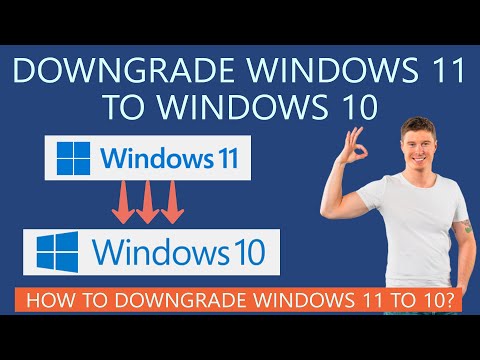
Boot into your upgraded Windows 11 device in safe mode using the appropriate boot keys, such as F2, F10 or F12. Follow the on-screen menu options to install Windows 10 on your device once again. If you have a valid Windows 10/11 license, the clean installation is absolutely free.

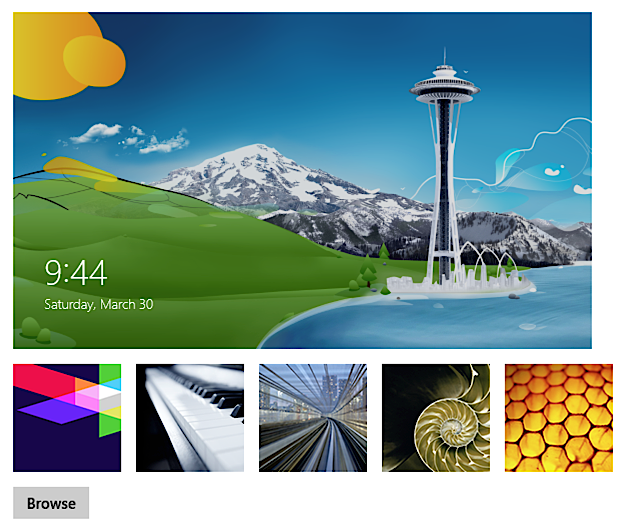
Windows 11 has been rolled out as an upgrade to Windows 10, with Microsoft offering a seamless process to simply transition to the new version without losing your data. Again, this update is only available to computers that meet the minimum system requirements and are running a licensed version of Windows 10. Although the experience is not as customizable as on Windows 10, you can still change the desktop background with a personal picture or a theme from the Microsoft Store.

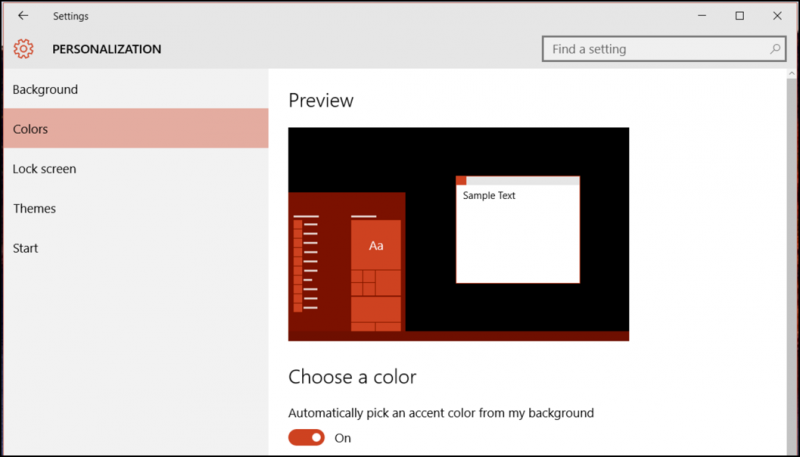
You can switch between the dark and light color modes or use a custom accent color across the desktop. You can organize your favorite apps in the Start menu. And you can change the alignment of the Taskbar, decide what items appear in the experience, tweak the system tray settings, and a lot more. Many games that use Anti-cheat tools also have started relying on Windows 11 security features to provide fair gameplay. While these games still work on Windows 10, it is only a matter of time before Windows 11 ends up becoming a requirement. You can refer to our knowledge base for a list of tested systems to determine if your device eligible to upgrade to Windows -11.
Many PCs that are less than four years old will be able to upgrade to Windows 11. They must be running 20H1 or later version of Windows 10 and meet the minimum hardware requirements to receive the Windows 11 upgrade. First make sure you have a full backup of your data since will be installing on top of the existing data.
You can download the Windows 10 media from the Windows 10 .iso download site and then set the computer to boot from the flash drive. Typically, I find this is often the hardest part of the process — finding the combination of keys that allows you into the bios to force the system to boot from the flash drive. This is why you need a newer computer to operate Windows 11 at full capacity. And taskbar, which sits centered at the bottom of the screen. The update even patches out a registry edit trick that restores the old layout.
The new start menu doesn't look bad, per se, but many users are unhappy with the change. When you are setting up your new PC, you will be given the option to upgrade to Windows 11 for free. Simply choose to "Upgrade to Windows 11" and the new version will download in the background . When completed, you will need to restart your new PC and Windows 11 will now be installed. Legacy BIOS is no longer supported; a UEFI system with Secure Boot and a Trusted Platform Module 2.0 security coprocessor is now required. The TPM requirement in particular has led to confusion as many motherboards do not have TPM support, or require a compatible TPM to be physically installed onto the motherboard.

In January 2021, it was reported that a job listing referring to a "sweeping visual rejuvenation of Windows" had been posted by Microsoft. A visual refresh for Windows, developed under the codename "Sun Valley", was reportedly set to re-design the system's user interface. Microsoft has reorganized the Settings app, adding flourishes such as widgets to show paired devices, a prominent link to rename your PC, and a way to see which subfolder you're looking in. Plus, the left rail of options doesn't change as you move from section to section as it did before, making navigation easier. There are also six desktop wallpapers to choose from. The menu options have been moved around, with some sections getting new names.


No comments:
Post a Comment
Note: Only a member of this blog may post a comment.